

Laser Drilling
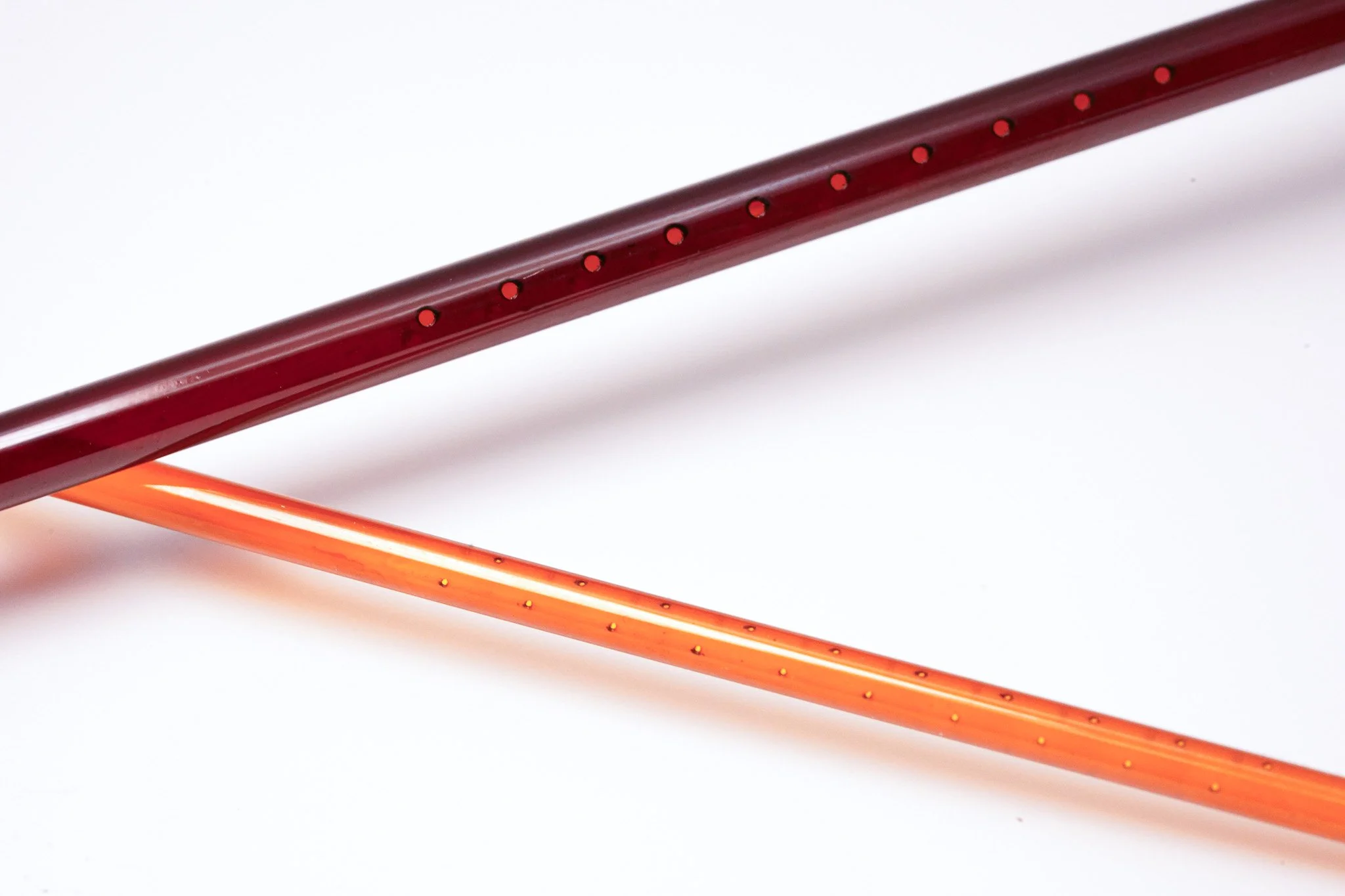
Laser drilling is a highly precise, non-contact process used to create holes in various materials, including metal, ceramic, glass, and delicate polymers. This technique uses a focused laser beam to remove material via photoablation, typically removing microns or tens of microns per pulse.
As an emerging technology, lasers offer more speed and precision than traditional drilling methods. Plus, they can be more cost-effective as they reduce tool wear, minimize waste, and require less setup and maintenance.
As a result, laser drilling is an increasingly preferred alternative to traditional drilling methods.
Any kind of laser can be used to drill holes, and this process works on almost any material or surface. Choosing the right kind of laser depends on the type of material involved. For instance, fiber lasers can be used to perforate pieces of metal, since this material can tolerate higher heat loads.
Each laser type behaves differently. While CO2 lasers usually melt the material to form the opening, fiber lasers use rapid percussion pulses to break through the substrate. Ultraviolet (UV) lasers function in a similar way, but their process is generally slower for the same-sized hole.
-
Precision and Accuracy
Versatility Across Materials
Reduced Mechanical Stress, Tool Wear, and Cleaning
High Throughput and Automation
Minimal Heat-Affected Zone (HAZ)
Hole Depth and Diameter Control
-
Short UV wavelength for high absorption and fine detail
Minimal heat-affected zone (cold processing)
Excellent beam stability and repeatability
Suitable for high-precision and automated industrial processes